

As we continue to expand our training program, we have added a new monthly competition where, every month, we highlight the individual who has completed the most training records for that month. But August was a special month, so we have 3 winners for August.
Aaron (Al) Nesby: 30 Entries
Sean Crow: 26 Entries
Selin Gunderen: 19 Entries
I have sent each a set of questions, and it is my pleasure to share their responses with you all:
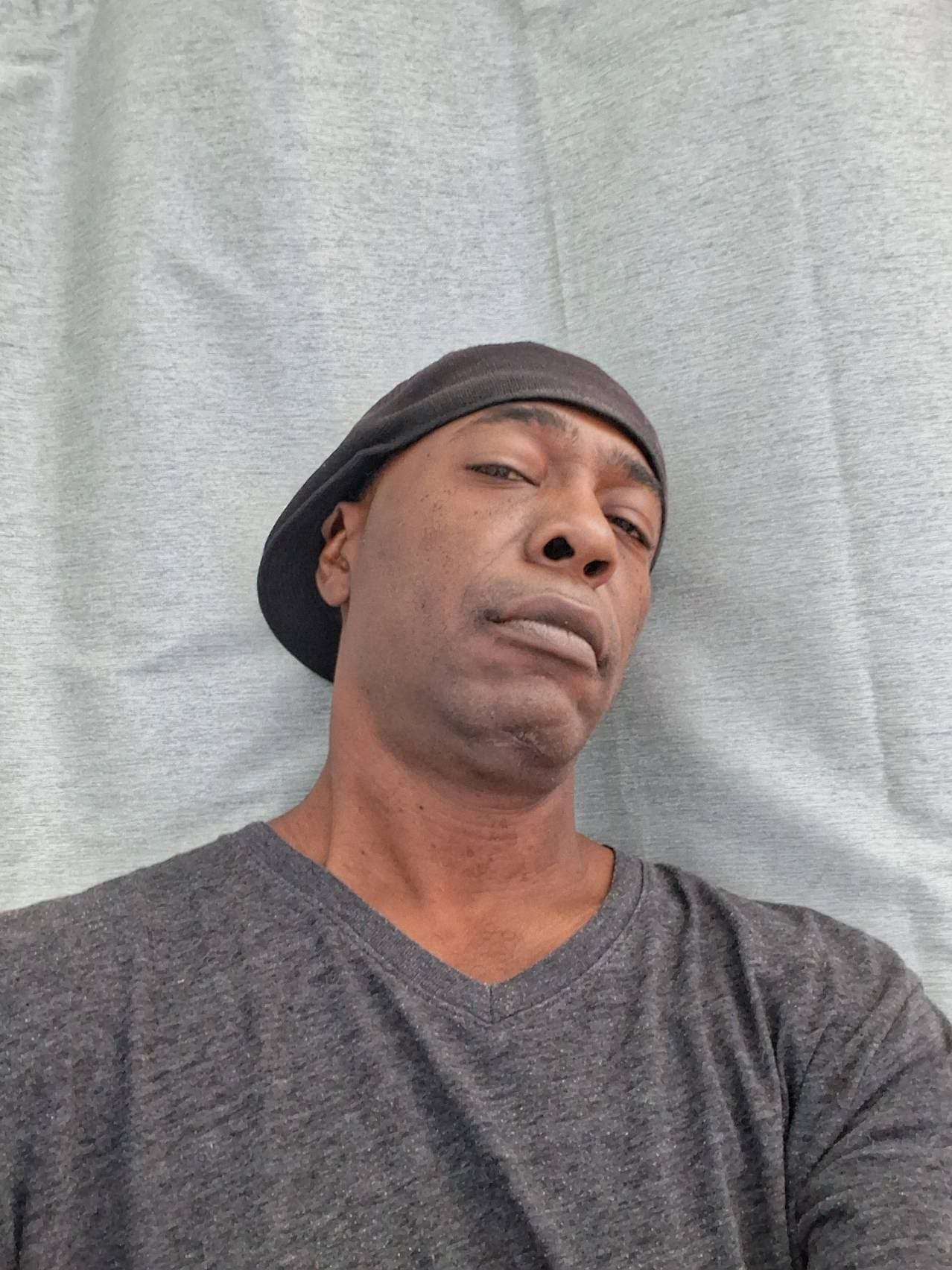
1st Place: Aaron (Al) Nesby
What is your primary craft, and what types of projects do you typically work on?
New instrument design and engineering with Praxis Guitars, custom DSP/embedded systems, and electronic music production (chiefly my solo project A23P and the group Church of Space). I also serve as CTO for Friends of CC Music.
What do you enjoy most about your craft?
The cross-pollination of artistic exploration and hardware design—especially collaborating with others and seeing how they push those tools into new territory.
How did you get started in the industry, and what has your career journey looked like so far?
My background spans software development, network administration, and IT security with IBM. I stepped away from enterprise infrastructure to focus entirely on music and independent hardware/tool production. When the structural strains of independent manufacturing hit, a colleague recommended AV contracting as a natural way to stay hands-on with technical infrastructure, signal distribution, and live production environments I loved without returning to corporate IT.
Who has had the biggest influence on your career, and what lessons did they teach you?
A mix of electronic artists and open-source pioneers like Cevin Key (Skinny Puppy), Frankie Bones& my now band mate Heather Heart (both of Sonic Groove and the Brooklyn Storm Raves) Marc Fleury (Jboss/OpenRemote founder), and Mitch Altman (Father of Maker Faire and American Hacker spaces). Core lessons taken from all them: Build things you genuinely believe in, keep the work honest, and remember that real success is just having the time to keep doing it.
What accomplishment in your career are you most proud of?
Maintaining artistic integrity across both independent hardware/software development—such as contributing to the E-mu P2500s/Command Stations, the Dave Smith/Roger Linn Tempest, Moog’s Moog One, building Church of Space’s open-source synthesis OS (c0sOS), and large-scale deployment work like the Denver Nature and Science Museum’s planetarium 15.1 surround sound system.
Why is safety training important to you, both personally and professionally?
Safety is the foundational plumbing of how everything works. It may not be the flashiest part of the build, but remove it, and the entire structural integrity required to design, deploy, and run anything meaningful collapses.
What does a strong safety culture look like to you?
Honesty, meticulous attention to detail, and proactive care for the team/crew and public.
Was there a particular course or topic that stood out to you? Why?
The AVIXA curriculum, for its structural depth and rigorous technical framework.
How do you balance work, personal life, and continuing education?
I don’t separate them into silos and treat them symbiotically. Surrounded by peers who treat study as a lifestyle, technical exploration naturally weaves through everyday practice. “Noise Architecture” is my life.
What skills are you hoping to develop next?
Completing my AVIXA CTS-I certification, followed by deeper work in AI model systems design.
Where do you see yourself professionally in the next five to ten years?
Deeply embedded in advanced AV engineering and design, pushing those systems forward within both local collectives and broader creative communities. As of late, I’ve been dedicating considerably more time to live visual DSP synthesis performance interactively tied directly to live instrumental play and performance.
Are there any certifications or training opportunities you’re especially excited about?
Wrapping up the CTS certification before the end of the year as a direct springboard into the CTS-I and possibly CTS-D a bit later down the road. There’s also an offer I received recently from Stanford regarding AI model systems design; just a matter of ensuring I can clear the time to take them up on it.
What do you think is the biggest challenge facing today’s workforce, and how can training help address it?
The workforce is navigating heavy socio-political, economic, and technological volatility right now. I feel IATSE, my local 631 in particular, help surf that turbulence by fostering multidisciplinary, community-driven education in ways similar to hacker and maker-space culture.
If you could improve one thing about workplace safety or training across the industry, what would it be?
Expanding accessible, hands-on cross-training so people can adapt to rapid tech shifts without burning out on legacy models.
If you could give one piece of advice to someone just entering the industry, what would it be?
In order to get to know anything well, the first thing one might seek to do is entrench self in environments of those already doing it. But beyond such, at this stage, I’m still learning the ropes of traditional AV contracting, so I feel much better off asking advice from vets as opposed to handing such out.
Is there anything you’d like to say to prospective employers?
Expect absolute reliability, deep technical comprehension, zero tolerance for shoddy engineering, and a care for team.
Is there anything you’d like to say to co-workers who you have not yet met?
Be excellent to each other, no fear, party on, and #ArtHarder
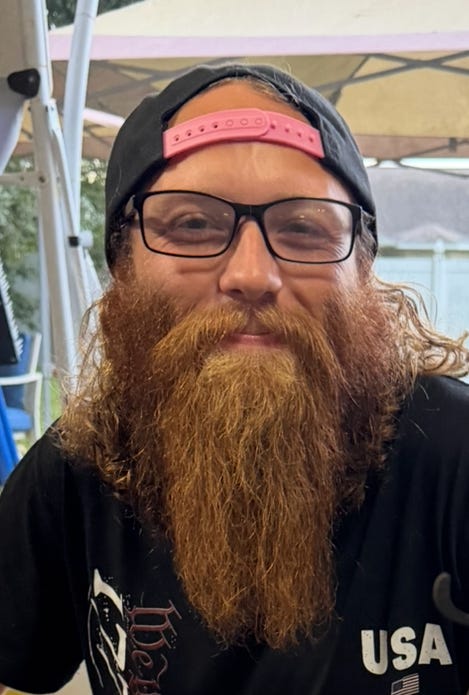
2nd Place: Sean Crow
What is your primary craft, and what types of projects do you typically work on?
My primary craft is stagehand and audiovisual production work, supporting live events through staging, audio, video, lighting, and event operations. Professionally, I also work in IT, where I support networks, servers, security, asset management, and end users.
What do you enjoy most about your craft?
I love watching a show come to life from the ground up, from the first truck unloading to the final truck leaving. Seeing all the moving pieces come together into a successful production is incredibly rewarding.
How did you get started in the industry, and what has your career journey looked like so far?
I got my start working in church production, supporting audio, video, lighting, and stage operations. After serving in the U.S. Navy, I built a career in information technology while continuing to stay involved with live production and eventually joining the union stagehand community.
Who has had the biggest influence on your career, and what lessons did they teach you?
My former church production director had the biggest influence on my career. He taught me nearly every aspect of live and post-production work and showed me the importance of preparation, attention to detail, and never stopping the learning process.
What accomplishment in your career are you most proud of?
I’m proud of my service in the U.S. Navy and the opportunities it gave me to grow personally and professionally. I’m also proud to have helped produce an album and contribute to projects that continue to impact others long after the work is complete.
Why is safety training important to you, both personally and professionally?
Safety training helps ensure everyone goes home safely at the end of the day. Whether working around staging, electrical systems, production equipment, or technology infrastructure, safety should always be a top priority.
What does a strong safety culture look like to you?
A strong safety culture starts with leaving egos at the door. Everyone should feel comfortable asking questions, raising concerns, and looking out for one another regardless of their experience level.
Was there a particular course or topic that stood out to you? Why?
The chemical hazards training stood out to me. I was surprised by how much research, testing, and regulation goes into products before they can even be used, and it reinforced the importance of understanding the materials we work around.
How do you balance work, personal life, and continuing education?
It’s certainly not easy, but I try to take advantage of every training opportunity I can get my hands on. Continuous learning has been a key part of my career, both in production and IT.
What skills are you hoping to develop next?
I’d like to continue developing my skills in live event production, AV systems, and emerging technologies while becoming a more versatile and knowledgeable technician.
Where do you see yourself professionally in the next five to ten years?
I’d like to be doing full-time union stagehand work while continuing to grow my technical expertise and contribute to larger and more complex productions.
Are there any certifications or training opportunities you’re especially excited about?
I’m especially interested in AV-related certifications and training opportunities that help expand my knowledge of production systems and industry best practices.
What do you think is the biggest challenge facing today’s workforce, and how can training help address it?
Training never ends. Technology, equipment, and tools are constantly changing, and ongoing training is essential to staying current, working safely, and performing at a high level.
If you could improve one thing about workplace safety or training across the industry, what would it be?
I’d like to see even more hands-on training opportunities that allow people to apply what they’ve learned in real-world scenarios.
If you could give one piece of advice to someone just entering the industry, what would it be?
Show up early, work hard, ask questions, and never stop learning. The people around you have a wealth of knowledge if you’re willing to listen.
Is there anything you’d like to say to prospective employers?
I bring experience from live production, military service, and information technology. I value safety, professionalism, adaptability, and teamwork, and I’m always willing to learn and take on new challenges.
Is there anything you’d like to say to co-workers who you have not yet met?
Everyone brings unique experiences and perspectives to the job, and that’s one of the things I enjoy most about this industry. I look forward to learning from you and working together to create safe and successful productions.
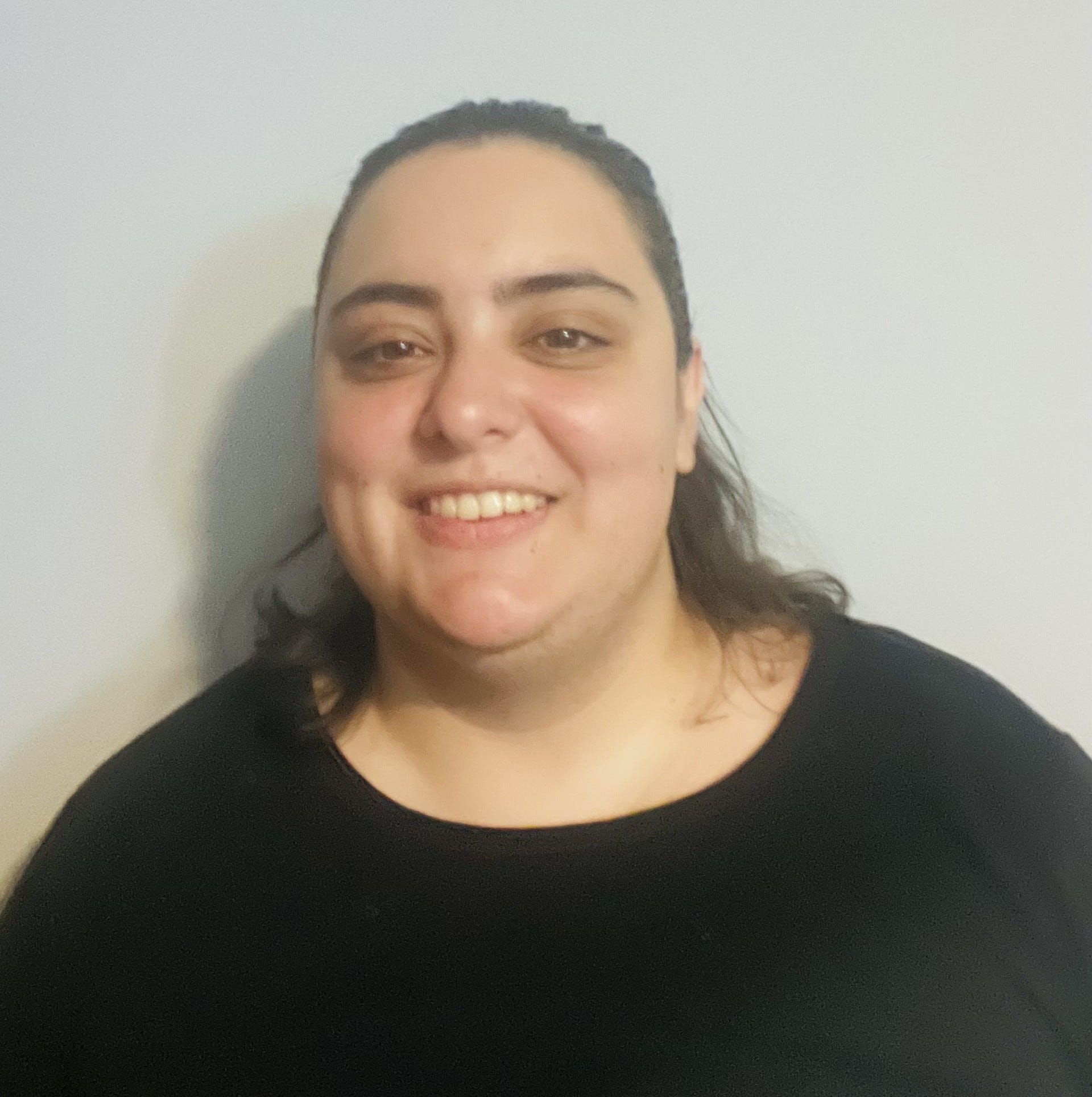
3rd Place: Selin Gunderen
What is your primary craft, and what types of projects do you typically work on?
I am an audio technician working on general AV projects for both indoor and outdoor events.
What do you enjoy most about your craft?
Being part of something that brings joy to others is deeply fulfilling. When I help set up equipment in arenas, theaters, stadiums, or ballrooms, it brings me happiness knowing that my efforts contribute to people having a great time at the event.
How did you get started in the industry, and what has your career journey looked like so far?
I began as a student in a theatre class at Bergen Community College in New Jersey. Initially, I didn’t know much until I was asked to operate the soundboard for a play during tech run and show days. This experience sparked my curiosity and desire to learn more. After graduating, I attended Full Sail University, where I continued working on campus events while earning my degree in show production. Following graduation, I actively sought more opportunities and expanded my network, which eventually led me to join Local 631.
Who has had the biggest influence on your career, and what lessons did they teach you?
I’ve had a few influential people in my life, but my biggest influence is my mentor, Dean Mattson. He is the reason I joined this industry and inspired me to want to become an Audio Engineer and Sound Designer. With over 35 years of experience working with bands like Yes and Asia, he has taught me a great deal about audio, how the industry operates, and answered every random question I’ve had. He encouraged me to keep learning and affectionately nicknamed me “grasshopper” because of my curiosity and eagerness to learn.
What accomplishment in your career are you most proud of?
I am proud of how far I’ve come in my professional career. I have been working professionally for about two years now, and I’m incredibly grateful for all I’ve achieved so far. I’ve made mistakes along the way, but I’ve learned valuable lessons from each one. I’m especially thankful for the connections I’ve made and the people who have supported me since the very beginning.
Why is safety training important to you, both personally and professionally?
It is important to know safety precautions because, as professionals, we must prioritize keeping the workplace safe. Understanding these precautions is essential to protect ourselves and our coworkers from injury during gigs. Beyond work, it’s equally important to keep yourself and your loved ones as safe as possible. Knowing what is safe helps protect those who matter most in your life.
What does a strong safety culture look like to you?
Being cautious and keeping your head on a swivel is very important for safety. When handling large or heavy cases and equipment, it’s essential to have the right number of people involved to distribute the weight properly.
This teamwork helps prevent injuries not only to yourself but also to those around you. Staying alert and communicating with your team ensures everyone stays safe while moving heavy items.
Was there a particular course or topic that stood out to you? Why?
I would say the Organizing 101 course was particularly impactful. It provided valuable insights on how to effectively organize people to unionize the workforce. Through this course, I learned strategies to advocate for better safety measures and fairer wages, and to empower workers to improve their working conditions collectively. It highlighted the importance of solidarity and collective action in creating positive change within the industry.
How do you balance work, personal life, and continuing education?
Balancing everything isn’t always easy, but I find ways to make it work. I create my schedule on my calendar around my work shifts and class times.
When I have free time, I like to spend it with friends and family or engage in creative activities such as drawing or knitting. If my workload is lighter, I enjoy reviewing past classes I’ve taken during the union’s trainings as a refresher, which helps me stay sharp. I’ve also been exploring LinkedIn Learning and plan to take some courses there to continue expanding my skills.
What skills are you hoping to develop next?
Given that I work with a significant amount of audio, video, and lighting equipment, I would like to improve and expand my current AV abilities. I would like to also improve my audio skills as I progress so that I can do more audio-related work when I start my journey to become an A2 and eventually an A1 and a sound designer.
I also want to develop my hearing skills for when I do become an audio engineer. I want to utilize that skill to quickly notice any unwanted sounds and find ways to adjust them efficiently.
Where do you see yourself professionally in the next five to ten years?
In the next 5 years, I see myself becoming an A2. I also see myself with better skills to be a better AV Tech, as I want to still grow in that field as well. In 10 years, I definitely see myself being an audio engineer and a sound designer. I want to be able to work in concerts, theatrical shows, and corporate events with confidence.
Are there any certifications or training opportunities you’re especially excited about?
I am excited about the AVIXA CTS1 training. It is a very long training, but I know it will come in handy for my career.
What do you think is the biggest challenge facing today’s workforce, and how can training help address it?
I would say bad leadership. Effective training could boost teamwork in the workplace for everyone, not just those in leadership roles. It can encourage better team communication.
If you could give one piece of advice to someone just entering the industry, what would it be?
Be a sponge and learn as much as you can. Never be afraid to ask questions.
Is there anything you’d like to say to co-workers who you have not yet met?
Can’t wait to meet and work with you!
If YOU want to be the next Training Champion, then start racking up the training certificates now and send them over to tadams@iatselocal631.com ASAP. If you aren’t sure where to go or how to get certs, contact me TODAY! Call or text at 407 308 5665 or email me at tadams@iatselocal631.com and I will make sure that you are overwhelmed with resources available to you.